
Litter Training Your Kitten
Litter training your kitten is an essential step in ensuring a clean and comfortable environment . Both you and your new kitten will appreciate it.
According to Purina, “When kittens are first born, their mother will prompt them to eliminate and take care of the cleanup afterwards. If your kitten has spent time with their mother in the early weeks, they may have learned how to use the litter box from their mother.” Lucky you, if that happens!
Cats will hide their urine and feces. This goes back to their ancestors who would bury their excrement to better hide from predators. the behavior became instinctual. This is why cats cover up whatever they leave in the litter box.
Set Up Your Litter Box
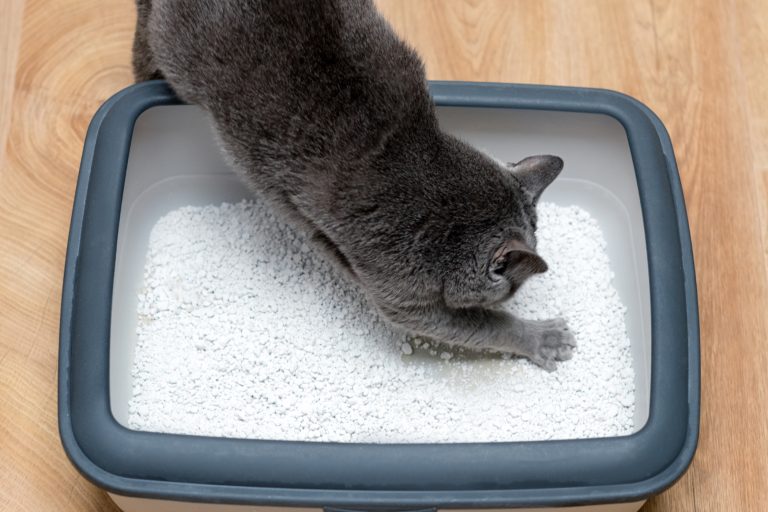
Start by buying an appropriately sized litter box. Your kitten is little, get a smaller litter box to start, 13″ x 9″ is a good size. This will ensure the kitten can easily get in and out of it. When it gets older you can move to a regular sized box or even an extra large box, depending on which breed of cat you have.
Put the litter box in an appropriate spot where the kitten can easily find it. Choose a spot where the larger box will eventually go.
Choosing litter is easy. Finer sized pieces of litter will be easier for a kitten, but really any litter will work. That being said, the sandier the litter, the more natural it will be for the kitten. Avoid scented litters, at least in the beginning.
A mat for under the litter box is recommended. This will help elimiate little bits of litter getting dispersed throughout your home.

Get this Extra Small Open Litter Box for a Kitten today!
Show Them Where To Go
Put the kitten in the litter box multiple times a day so they get to know the location. As they get to know the box, show them how they can dig around in the litter. The kitten will, hopefully, start to dig and explore on its own. Eventually, the kitten will understand that this is its bathroom. If you have more than one cat, you need more than one litter box. The rule of thumb is one litter box per cat.
If you see the kitten doing behaviors such as digging, sniffing around, crouching or scratching, immediately put it in the litter box. The kitten is probably searching for a place to go.
After the kitten eats is another excellent time to take it to the litter box.
During my years as a cat rescuer, I never had much trouble getting kittens to go in a litter box.
Reward!
Give the kitten lots of positive praise without sounding being too loud and frightening it. You can offer a little treat to encourage using the box.
Punishing a kitten for making a mistake will have the opposite effect. You will just make your cat afraid of you. Your young kitten doesn’t understand all of the new objects and people in its new home and it doesn’t know right from wrong yet. Instead of punishment, clean the spot of the accident thoroughly with an enzymatic cleaner so the scent is no longer there. You don’t want that spot to become its litter box.
Maintenance
Keep the litter box as clean as possible. You kitten will not want to go in a dirty litter box. If it does get too dirty, this could result in the kitten going in other places like your favorite potted plant.
Troubleshooting
Watch the kitten’s behavior as much as possible in the beginning. You might have to move the litter box to a better location. Or, if the kitten is having trouble getting into and out of the box, make adjustments to the box itself.
The kitten may not like the litter you chose. Try a different type to avoid accidents. If you have a covered box and the kitten seems aprehensive, try an uncovered box. Or vice versa.
You may have to experiment with different boxes or litters and figure out what works best for you and your kitten.
Conclusion
You want litter training your kitten to be a good experience with lots of encouragement and praise. Be patient. Most kittens catch on fairly quickly, but some may need extra guidance and love. Of course, there will be some adjusting on your life too. In the end, it should be a wonderful experience. This kitten is going to grow up and be with you for many years to come.

Get The Ultimate Guide to Understanding Your Cat today!
Holli Friedland has been involved in pet rescue for over 50 years and writes about dogs, cats, reptiles and other pets.